
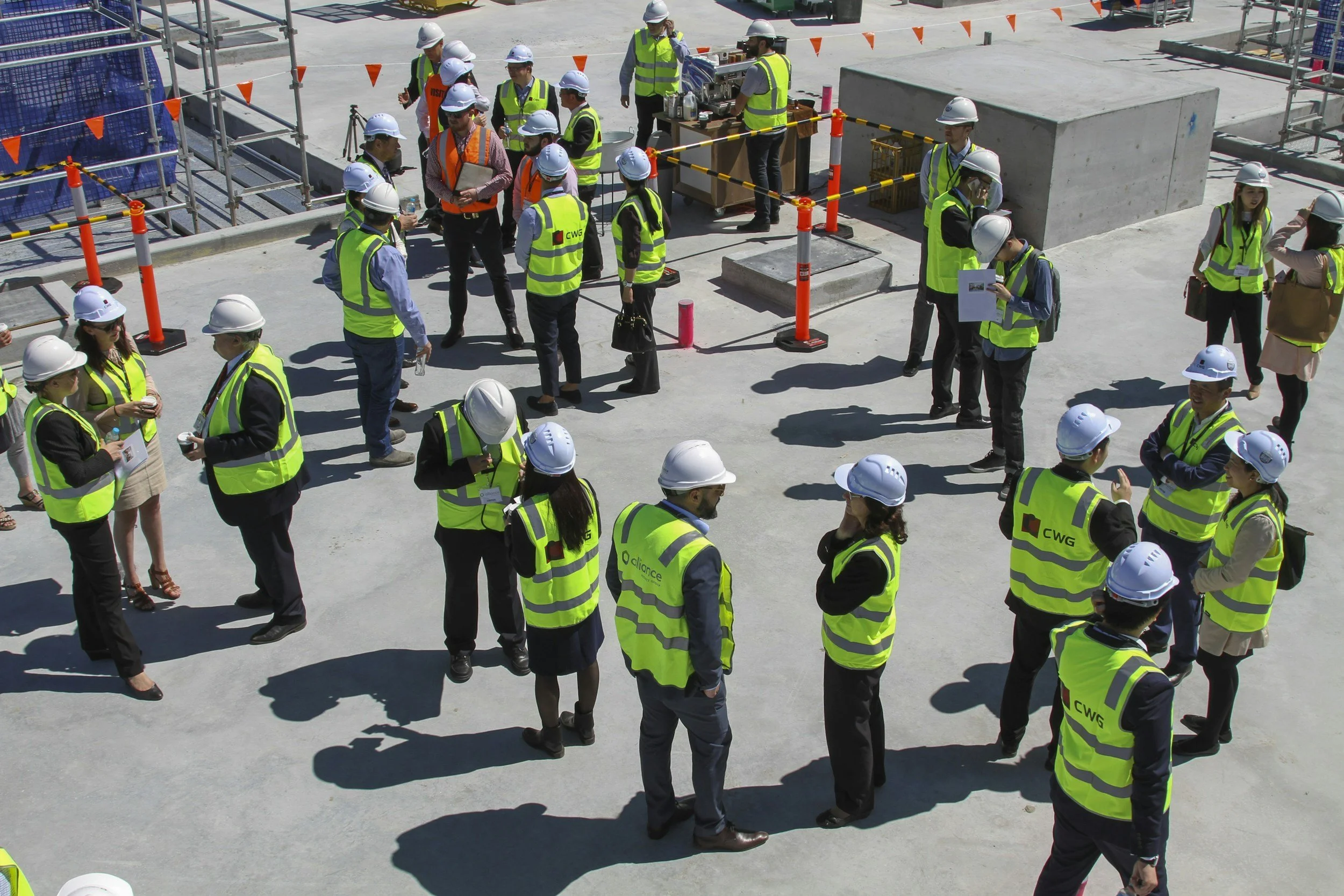
Site Surveys
A good scaffold design starts with good information. Our site surveys capture the measurements, constraints and critical details needed to produce a compliant, buildable scaffold design — first time, not third revision.
When Should You Book Survey..?
You don’t always need a survey — but you absolutely should book one when:
the scaffold is sheeted or highly exposed to wind
tie locations are limited or uncertain
there are setbacks, canopies, basements, fragile roofs, or voids
access is tight (public footways, highways, loading bays, live entrances)
there are multiple contractors or the job is moving fast and you need clarity
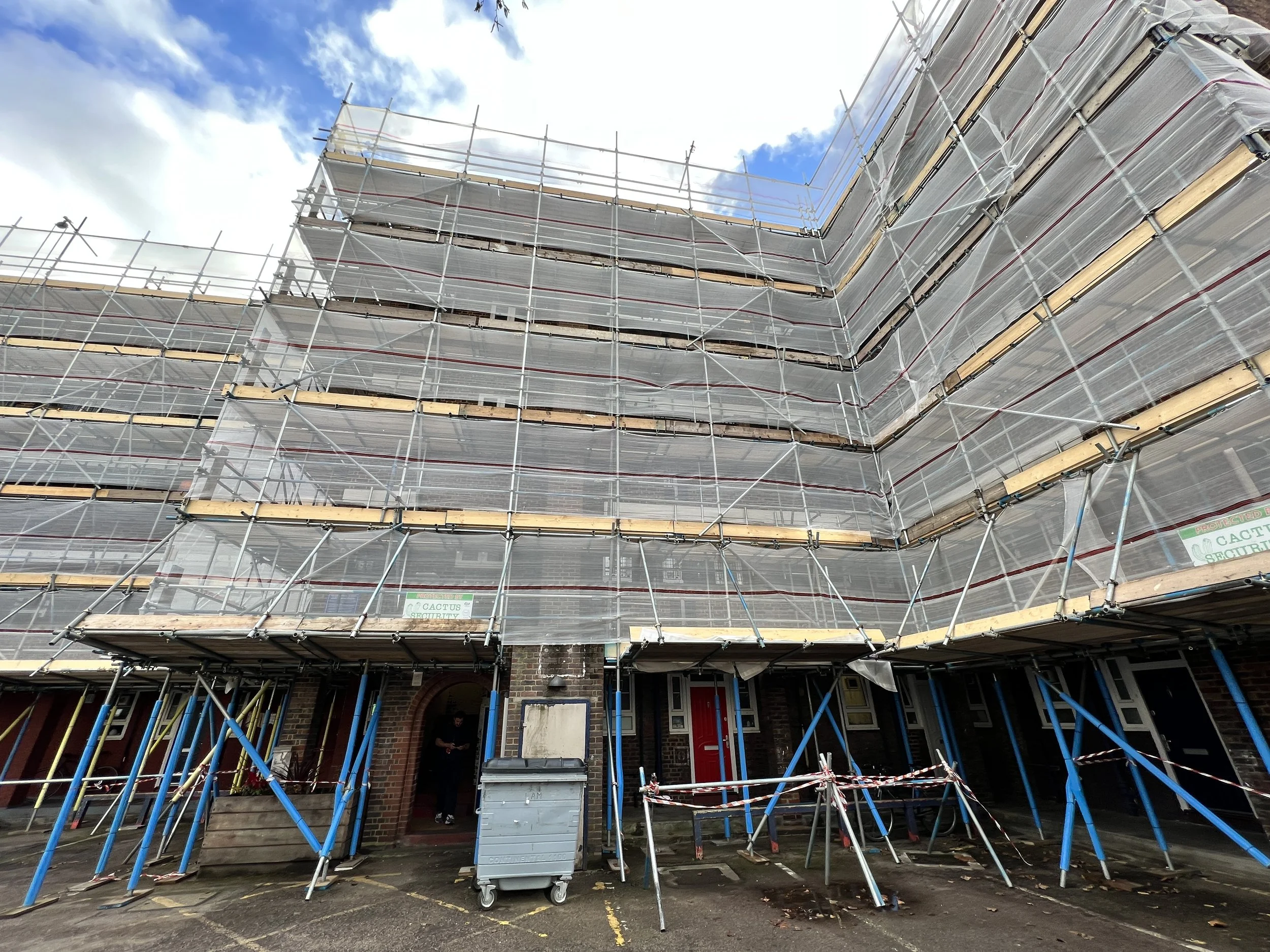
Our survey is focused on design-critical information, including:
overall building geometry (heights, lengths, setbacks, returns)
ground conditions and any level changes, slopes, basements or cellars
doors, loading bays, walkways, public interfaces and exclusion zones
obstructions (cables, pipework, signage, canopies, trees)
practical tie locations and limitations (openings, glazing, cladding types)
interface points for loading bays, bridges, fans, hoists, stair towers
any sequencing considerations (phased erection, partial handovers, strikes)
What We Check On Site
Ties, Stability and ‘Real World Buildability’
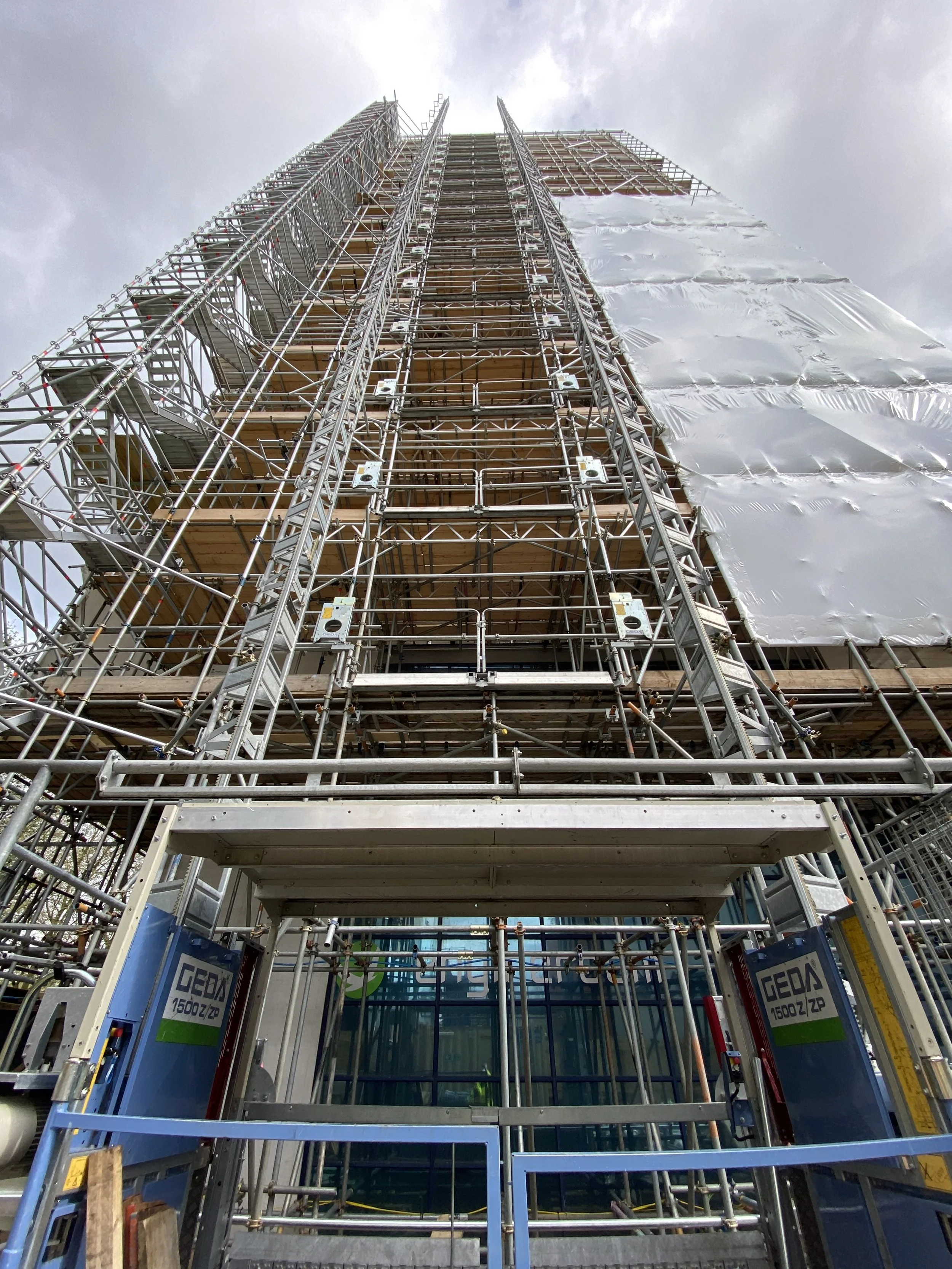
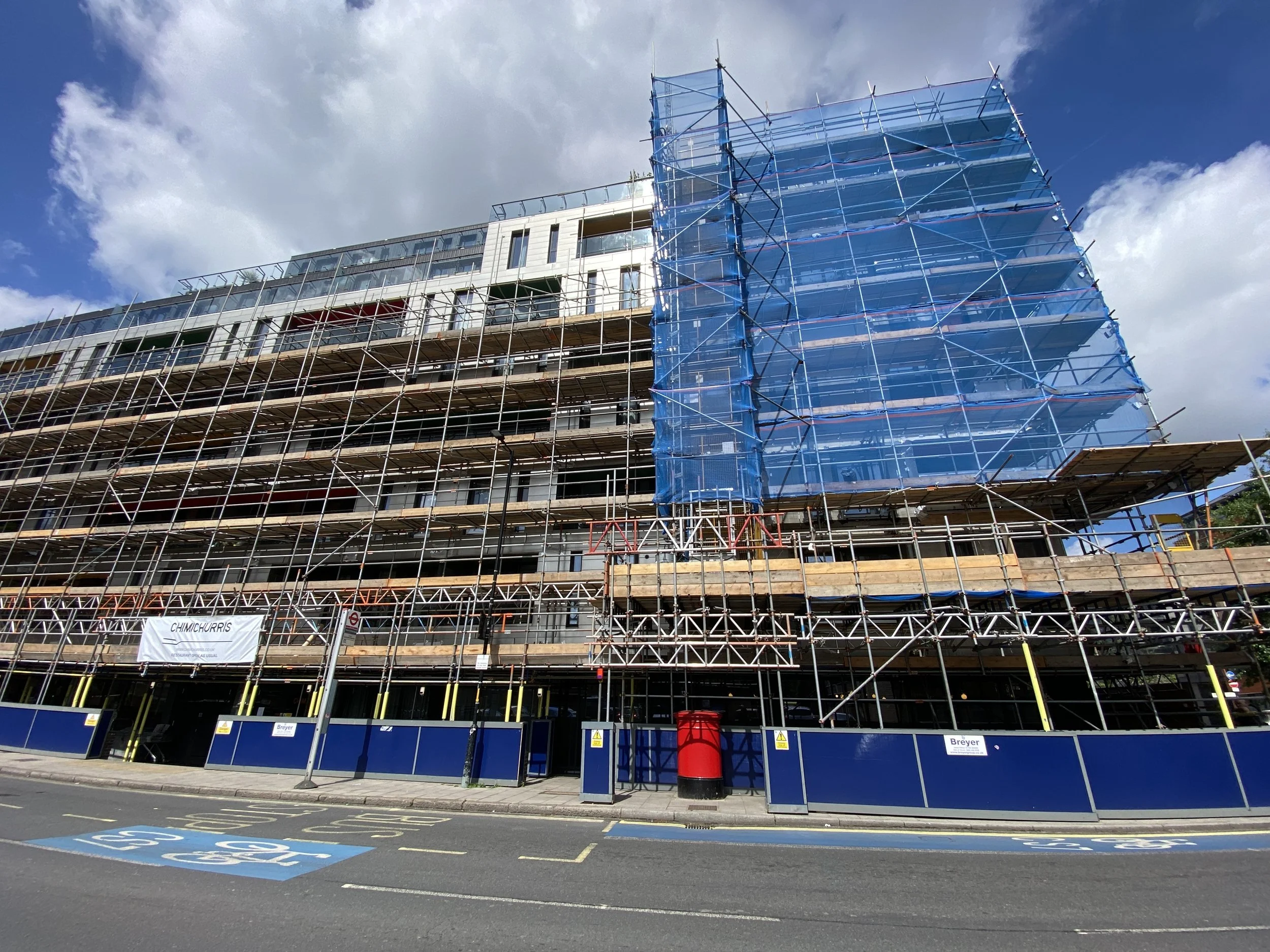
We don’t just measure — we look at stability from a designer’s perspective. If tie positions are restricted, we’ll identify realistic options early so the design isn’t relying on “hope” and a prayer. This is especially important where scaffolds are tall, free-standing sections are unavoidable, or sheeting/netting is planned.
What You Receive After The Survey
After our visit, you’ll receive the information needed to progress quickly:
survey notes and key dimensions
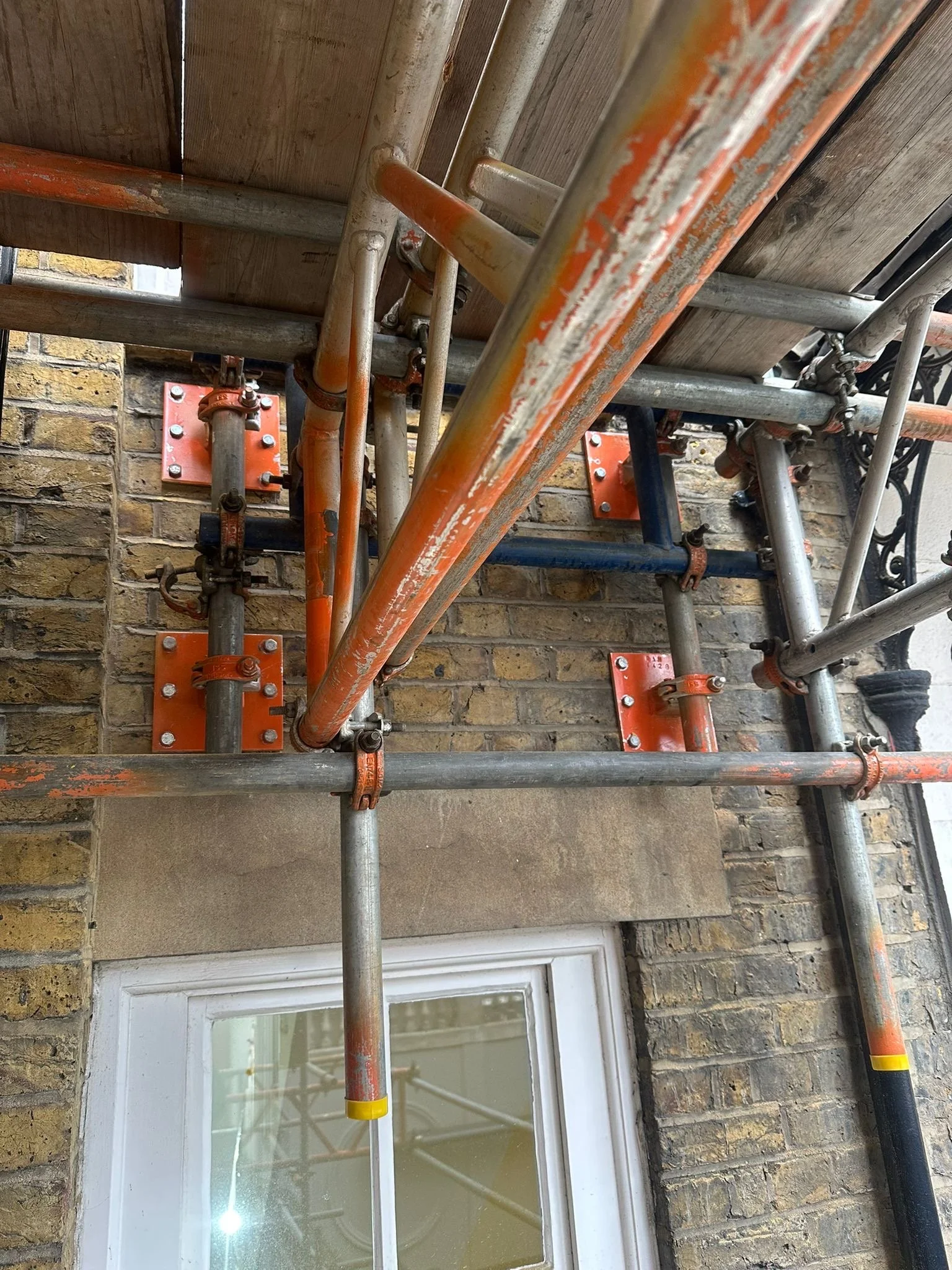
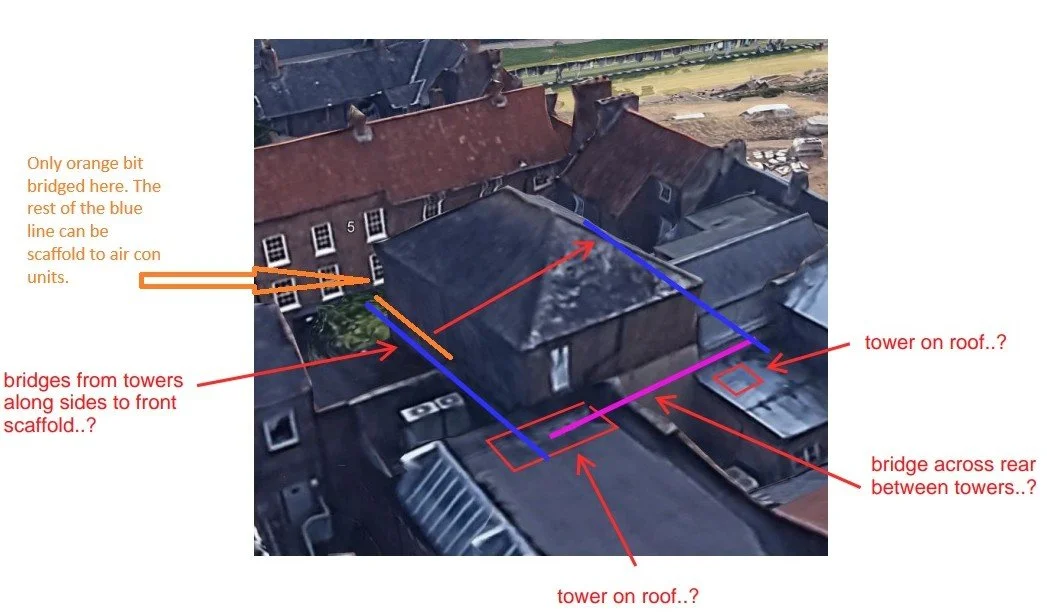
marked-up photos highlighting constraints and tie opportunities
design inputs for drawings, tie patterns and calculations (where required)
clear assumptions agreed early to avoid surprises during erection
How The Process Works In 4 Simple Steps
Book the survey (location, access details, site contact)
We attend site and capture measurements, photos and constraints
We confirm any critical assumptions with you
We produce the scaffold design package based on verified information
Why A Survey Saves Time And Money
A proper survey reduces:
redesigns and last-minute drawing changes
delays waiting for missing dimensions
disputes over tie locations and “that wasn’t possible on site” problems
risk from incorrect assumptions on constrained elevations
In short: fewer surprises, smoother builds, safer scaffolds.
If you’ve got a complex site, limited ties, or a scaffold that needs to be right first time — book a site survey and we’ll take the guesswork out of the design.